Two kinds of noise
- Airborne noise: voices, TV, music. It travels through the air and through gaps.
- Impact noise: footsteps, dropped objects, chairs dragging. It travels through the structure itself: floor, joists, ceiling.
Most basement complaints are impact noise from above, which is the harder one. A ceiling that only addresses airborne noise won't fix footsteps.
The four principles that work
1. Absorption: fill the joist cavities
Mineral wool or acoustic batts in the joist spaces absorb sound bouncing inside the cavity. It's inexpensive and effective, but on its own it's only part of the answer. More on materials in spray foam vs batt.
2. Decoupling: break the path
Drywall screwed directly to the joists receives vibration from the floor above and passes it straight into the room. Decoupling separates the ceiling from the joists using resilient channel or sound isolation clips with furring channel, so vibration doesn't transfer as easily.
3. Mass: heavier ceilings block more
Heavier assemblies stop more airborne sound. Two layers of drywall, or thicker 5/8" board, add mass. Mass and decoupling together work far better than either alone.
4. Sealing: close the gaps
Sound leaks through any air gap. Perimeter joints sealed with acoustic sealant, sealed penetrations, and careful detailing around lights and ducts matter as much as the board.
Mistakes that waste money
- Short-circuiting resilient channel. A single screw that goes through the channel into a joist reconnects the ceiling and defeats the decoupling. Installation detail is everything.
- Recessed lights everywhere. Each pot light is a hole in the ceiling. Use fewer, plan their placement, and seal around them using fixtures and covers suitable for the assembly.
- Ignoring ducts. Heating ducts carry sound from room to room. Bulkheads and duct routing need attention too.
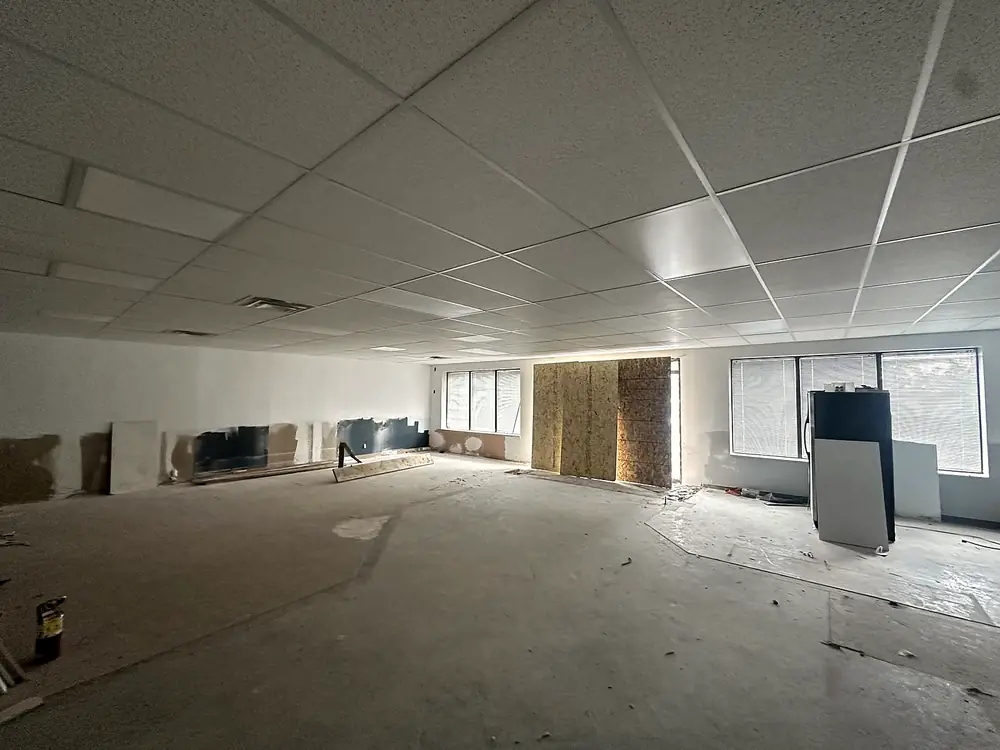
- Counting on a drop ceiling. Standard ceiling tiles hang loose with gaps, so they do little for noise from above. See drop ceiling vs drywall.
- Treating only the ceiling. Sound also travels through stairwells, open doorways and shared walls.
Upstairs helps too
For impact noise, the floor above matters: a rug and underlay on the floor above can reduce footstep noise significantly. When a floor is being replaced anyway, an acoustic underlayment is worth considering.
Where to spend in a typical basement
- Bedrooms and home offices: full treatment (batts, decoupling, extra mass, sealing).
- Home theatre or music room: full treatment, plus attention to walls and doors.
- Family room: batts in the joists and good sealing are often enough.
- Utility and storage: usually no treatment needed.
Plan it before the drywall
Soundproofing is cheap during a build-out and expensive afterwards. Once the ceiling is closed, adding decoupling means removing it. If you're finishing a basement in Halton, tell us which rooms need quiet, and we'll build the ceiling assembly for it. We frame, insulate and drywall ourselves, so the details that make soundproofing work don't get lost between trades. Start on basement build-outs or insulation.
Common questions
What is the best way to soundproof a basement ceiling?
Combine insulation in the joist cavities, a decoupled ceiling (resilient channel or isolation clips), added drywall mass, and careful sealing of gaps and penetrations.
Does insulation alone soundproof a basement ceiling?
It helps with airborne noise inside the cavity, but on its own it does little for footsteps. Decoupling and mass make the bigger difference.
Do drop ceilings reduce noise from upstairs?
Standard drop ceilings do little to block noise from above because the tiles sit loose with gaps around them.