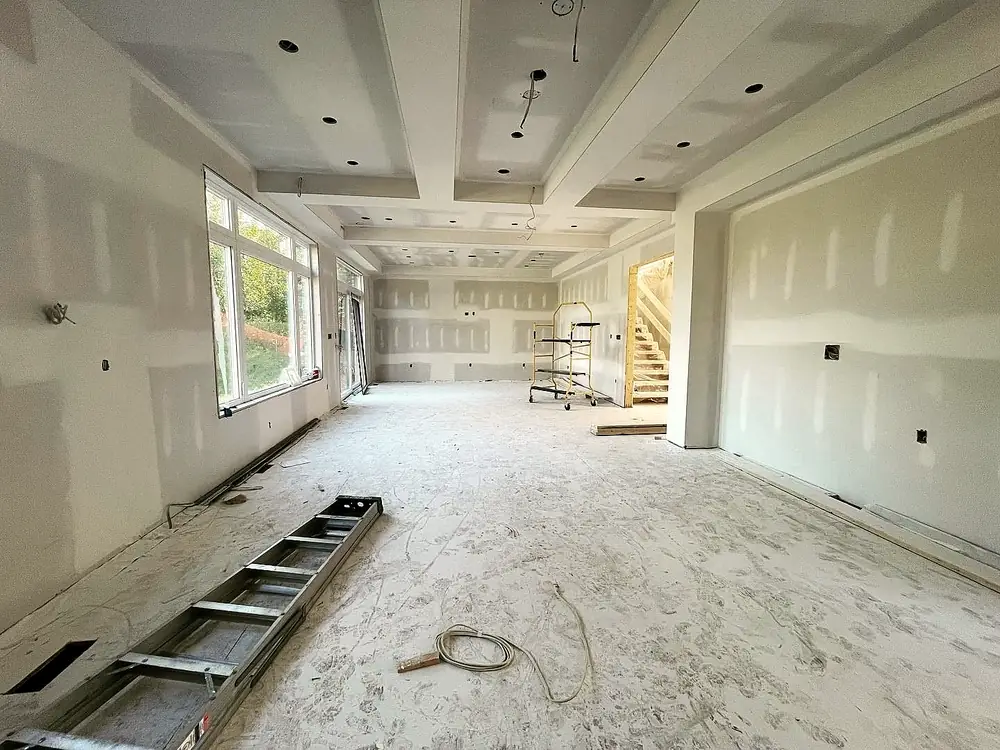
What spray foam is
Spray foam is a two-component mixture that expands on contact, filling every gap, crack and cavity it's sprayed into. There are two types:
- Open-cell spray foam: softer and more flexible, with a lower R-value per inch (about R-3.5 to R-4). It's useful for interior sound dampening and for areas where vapour transmission is acceptable.
- Closed-cell spray foam: rigid, about R-6 to R-7 per inch, acts as its own vapour barrier and adds rigidity to the assembly. This is what we use on exterior walls and rooflines on custom homes in Oakville.
What batt insulation is
Batt insulation is pre-cut fibreglass or mineral wool sized to fit between standard stud bays. Fibreglass achieves roughly R-3.5 per inch; mineral wool roughly R-4 per inch. It's much cheaper per square foot than spray foam and quick to install in large open cavities. Mineral wool also makes a very good sound batt in interior walls.
Side by side
| Closed-cell spray foam | Batt insulation | |
|---|---|---|
| R-value per inch | R-6 to R-7 | R-3.5 to R-4 |
| Air sealing | Air-tight, no gaps around wires or pipes | Gaps possible around wires and pipes |
| Vapour control | Acts as the vapour barrier, no poly needed | Separate poly vapour barrier required |
| Over time | Doesn't settle or compress | Can compress or settle |
| Future access | Permanent | Easy to remove and re-access |
| Installed cost | $5 – $8 per sq ft | $0.80 – $1.60 per sq ft |
When we recommend spray foam
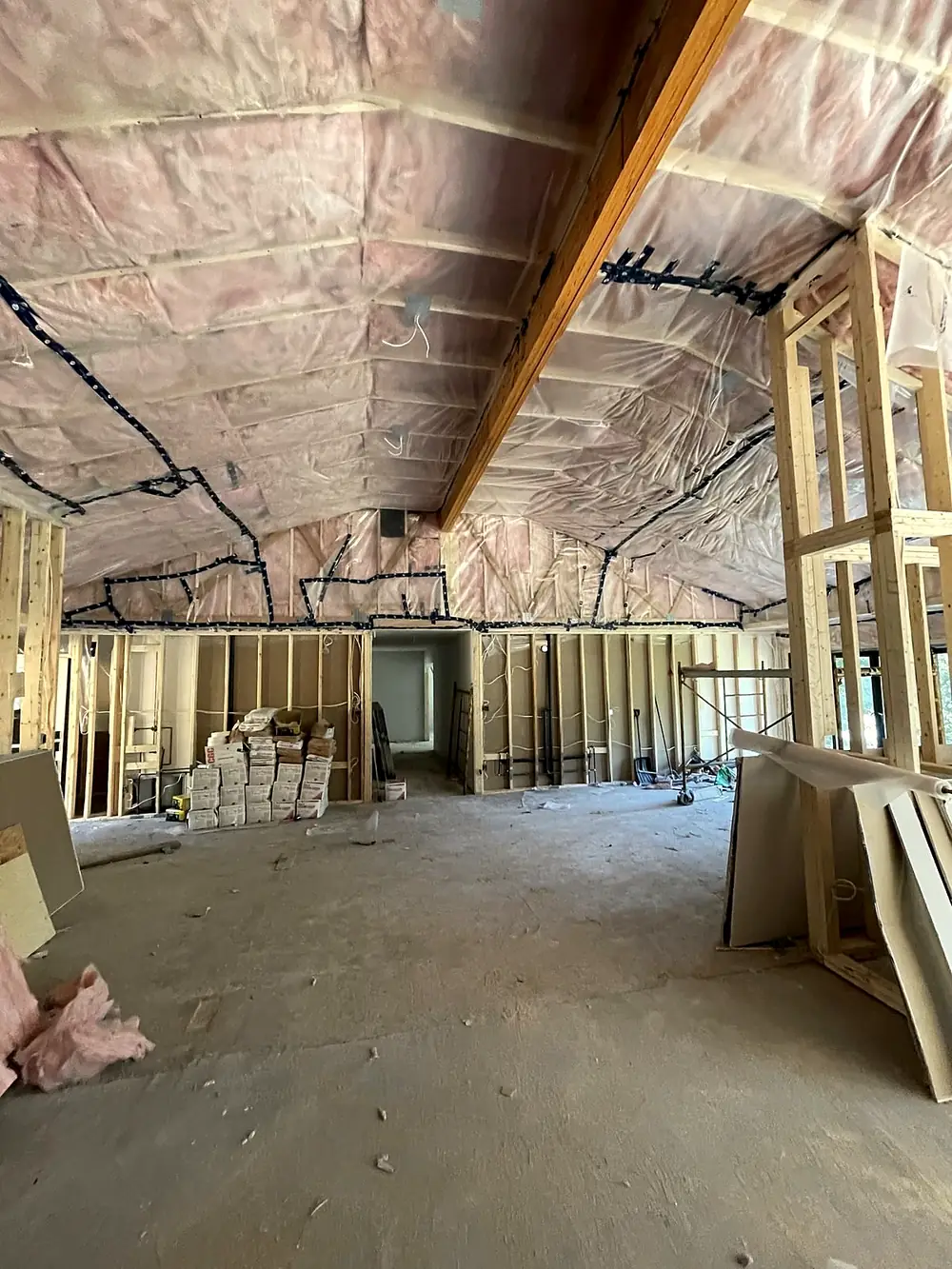
- Attics and sloped rooflines: it fills every void, with no air leakage under the sheathing.
- Rim joists and band joists: major heat-loss points in most Ontario homes.
- Crawl spaces: it seals and insulates in one step.
- Basement foundation walls: sprayed directly on the concrete, it controls heat and vapour without trapping moisture behind poly. See basement drywall finishing.
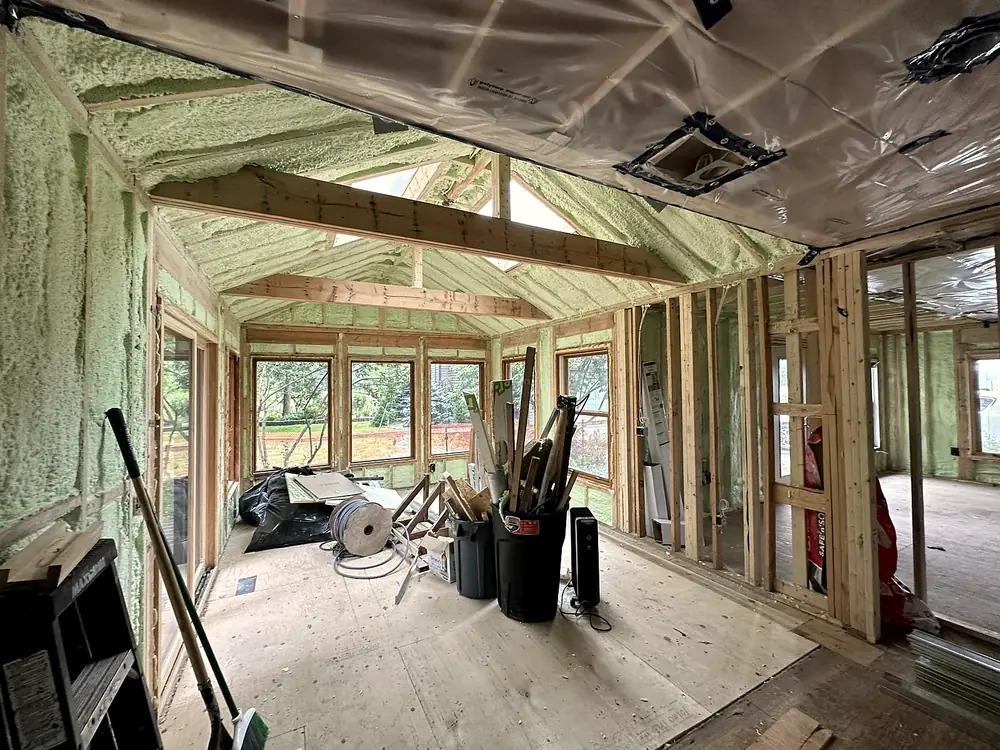
- Sunrooms and additions: foam on all surfaces creates a strong thermal envelope before drywall. Related: home additions.
- High-performance custom homes where energy performance is a design goal.
When batt makes more sense
- Interior partition walls: mineral wool sound batts for room-to-room isolation.
- Large flat exterior wall cavities in standard construction: good performance at a much lower cost.
- Budget-sensitive projects: batt gets the job done at a fraction of the cost of spray foam.
- Areas that may need future access: batt can be removed; spray foam can't.
The hybrid approach most Halton custom homes use
Closed-cell spray foam on all exterior walls, rooflines and rim joists, then mineral wool batt on interior partition walls for sound control. You get the best thermal performance where it matters and a manageable total cost.
Typical costs for a 4,000 sq ft custom home in Oakville
| Approach | Typical total |
|---|---|
| Full spray foam | $45,000 – $72,000 |
| Full batt | $8,000 – $14,000 |
| Hybrid: spray foam exterior + batt interior | $28,000 – $42,000 |
Code and inspection
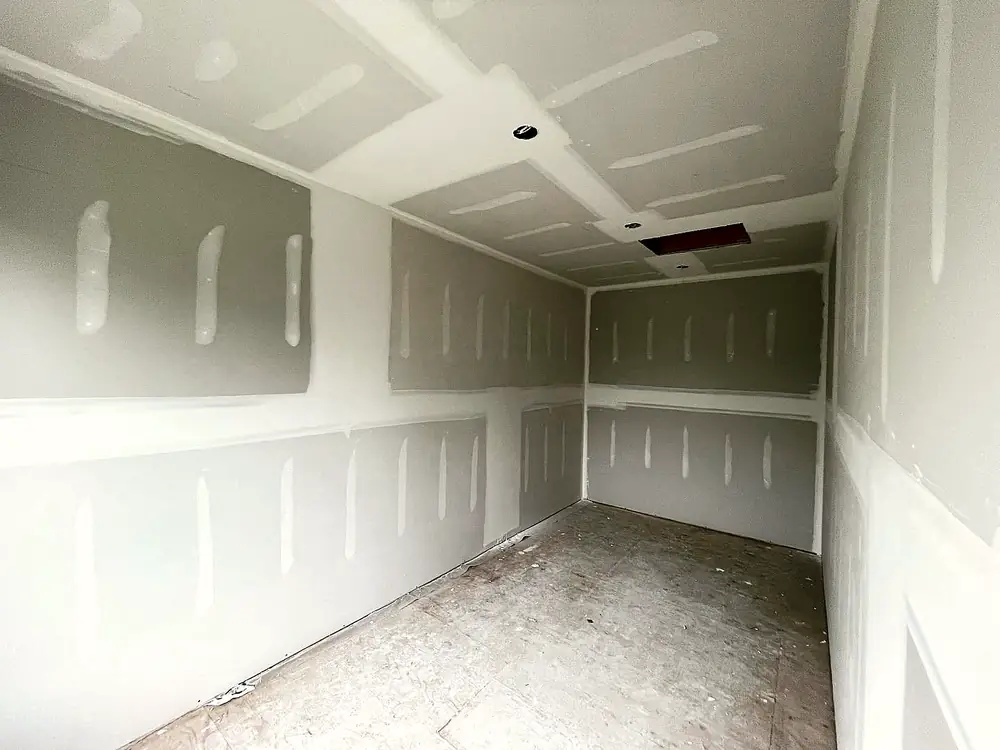
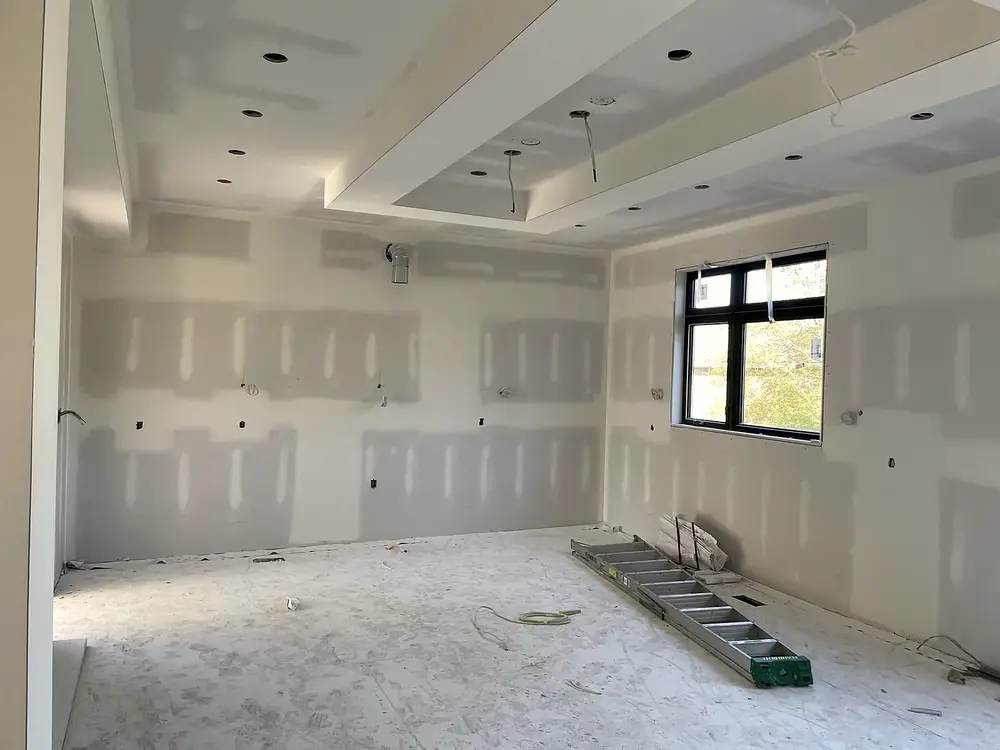
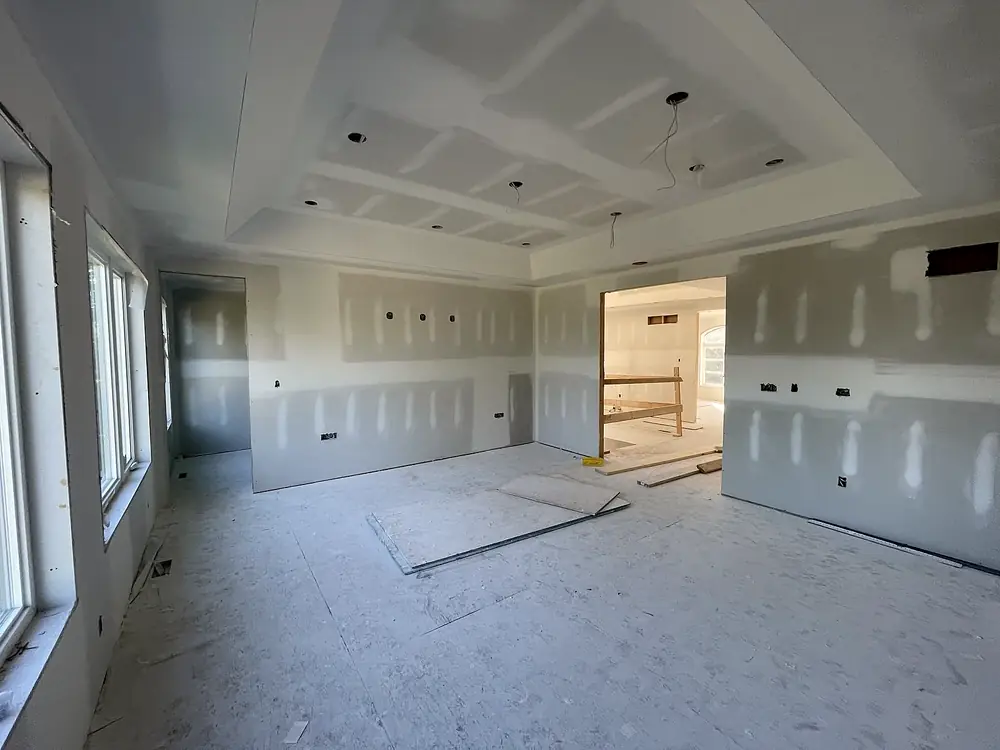
Whatever you choose, the assembly must meet the Ontario Building Code's energy-efficiency requirements, and in new construction and additions the insulation is typically inspected before drywall goes on. Coordinating insulation with framing and board is easier when one trade does all three. That's how we work on custom homes and basements.
Our recommendation
We assess each wall and ceiling assembly and recommend what makes sense, without upselling spray foam where batt will perform perfectly well. Book a site visit through our insulation page and we'll walk you through the options for your house.
Common questions
Is spray foam worth it in Ontario?
In attics, rooflines, rim joists, crawl spaces and basement foundation walls it usually is, because air sealing matters most there. For interior walls and many standard exterior cavities, batt performs well at a much lower cost.
How much does spray foam cost compared to batt?
Closed-cell spray foam is typically $5 to $8 per square foot installed; batt is typically $0.80 to $1.60 per square foot.
Do I need a vapour barrier with spray foam?
Closed-cell spray foam acts as its own vapour barrier, so separate poly isn't needed. Batt insulation needs a separate poly vapour barrier.