When a drop ceiling is the right call
- Access: lift a tile to reach shut-off valves, cleanouts, junction boxes and ductwork.
- Cost and speed: lower cost than a drywall ceiling and faster to install.
- Sound: acoustic tiles absorb noise in rec rooms, gyms and theatres.
- Mixed ceilings: drywall over living areas, grid over the mechanical zone, so you get the best of both.
“Luis and his Team completed a great job on the installation of our basement drop ceiling. The team did a professional job, were on time and completed the work to a high standard.” — HomeStars, Jan 2024
Drop ceiling vs drywall
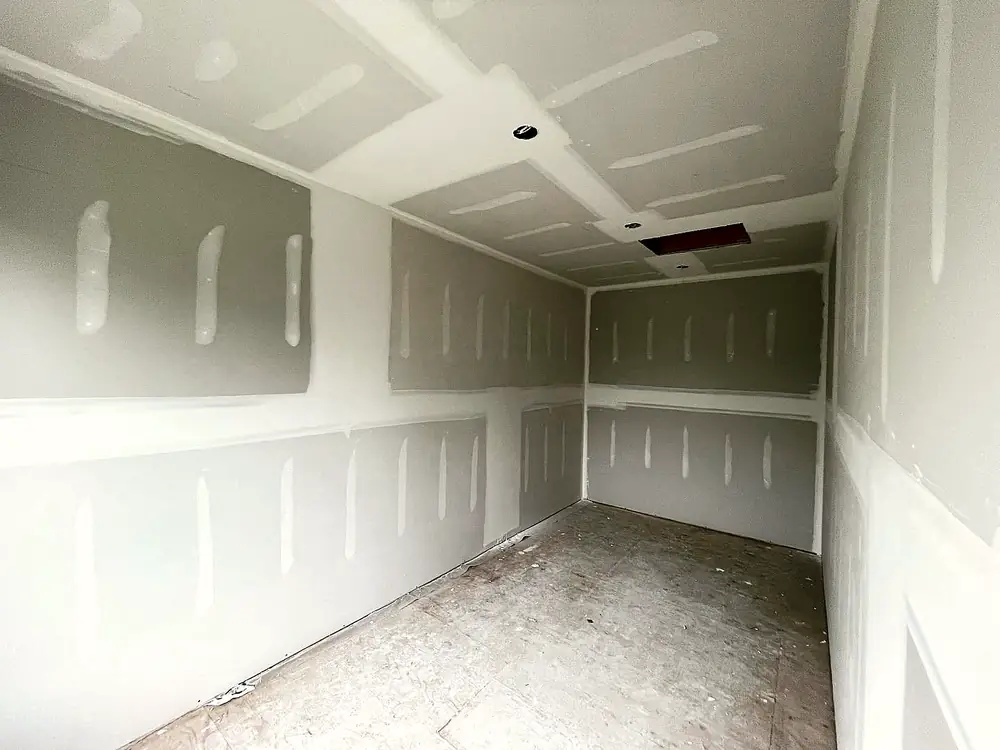
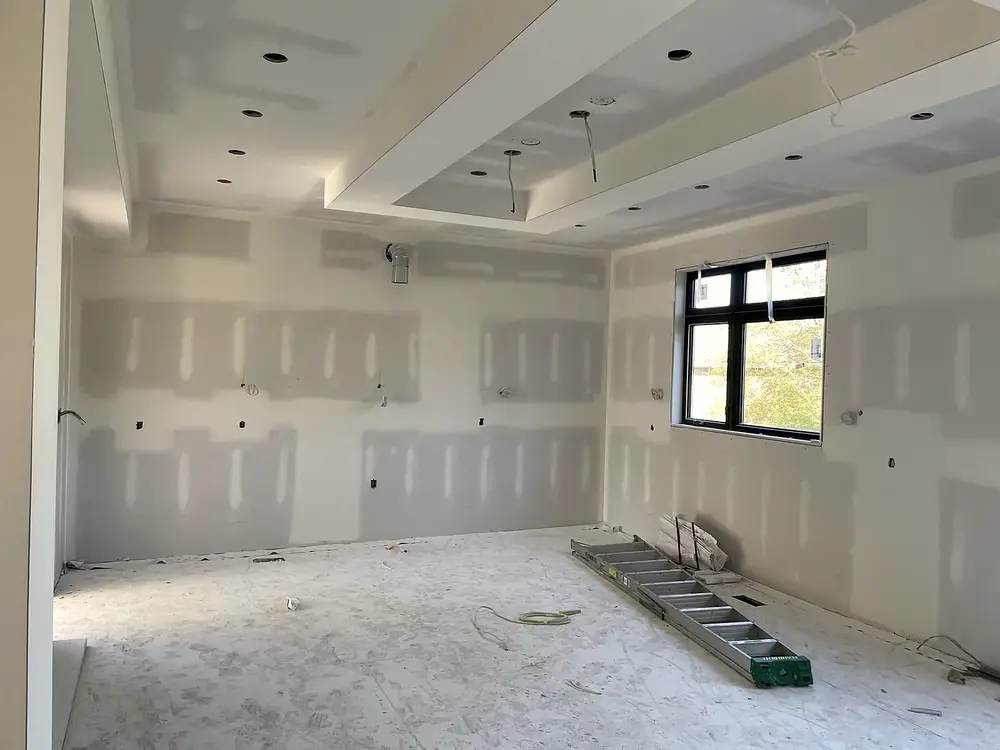
Drywall gives the most finished look and keeps every inch of height. A drop ceiling trades a few inches and a more commercial look for access and lower cost. We explain the trade-offs honestly in drop ceiling vs drywall ceiling in a basement.
Installed like a commercial ceiling
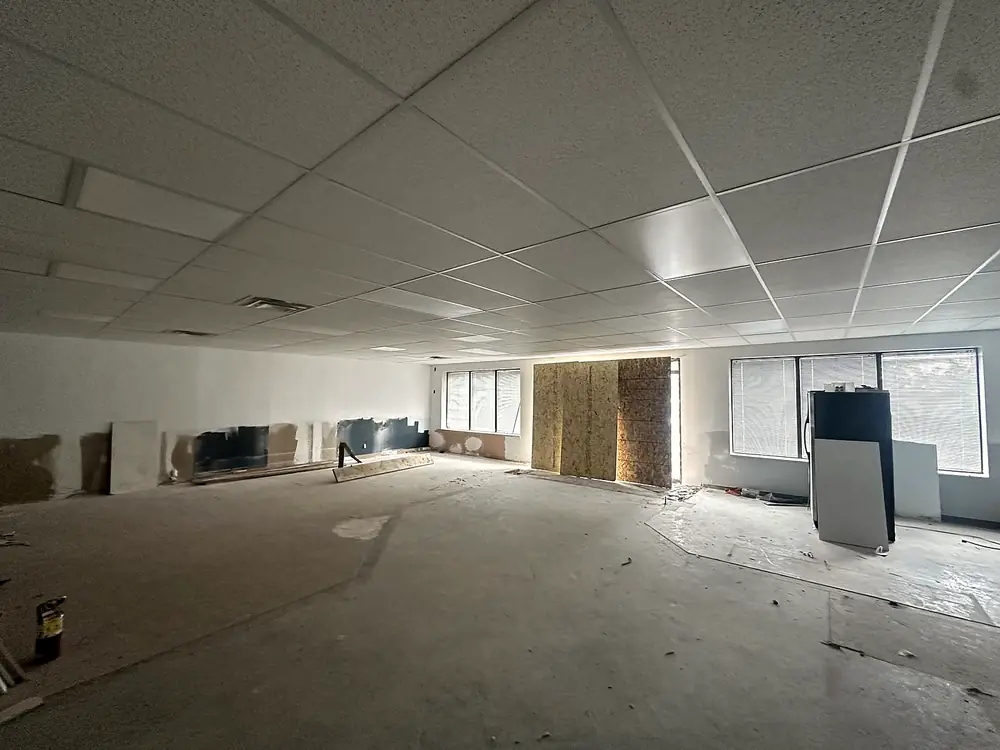
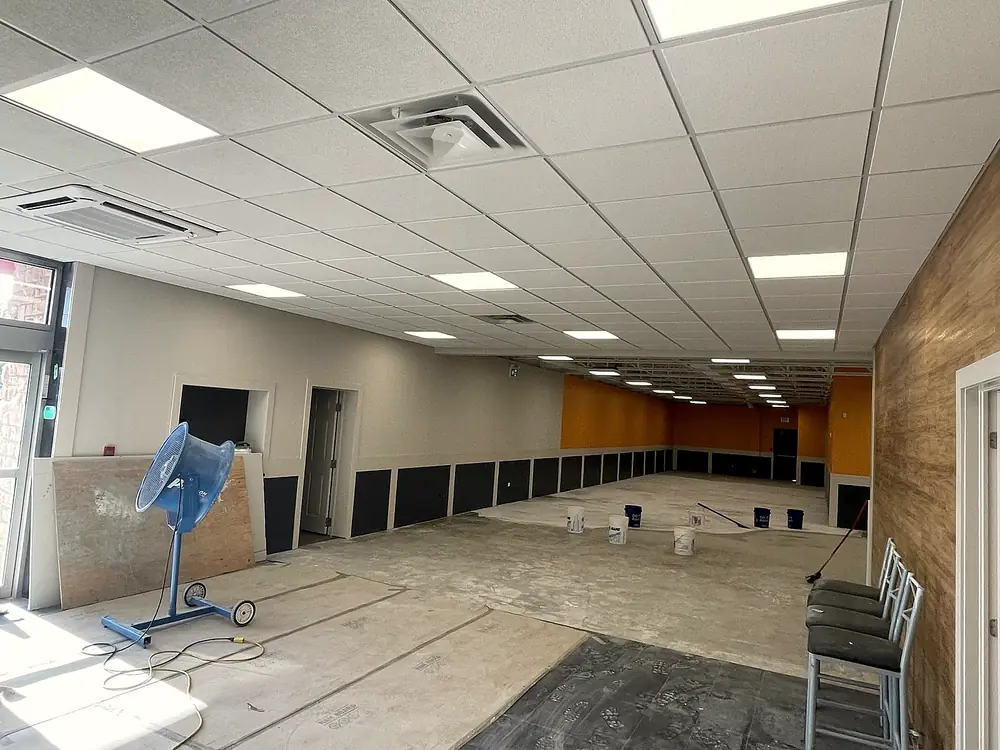
We install T-bar ceilings in offices and stores every week, so your basement grid gets the same treatment: laser-levelled hanger wire and mains, cut tiles balanced at the edges, and lights and vents centred on the layout. See our commercial T-bar ceilings.
Common questions
Are drop ceilings cheaper than drywall?
Generally yes. They cost less and install faster, and give permanent access to pipes and wiring.
How much height does a drop ceiling take?
A few inches below the lowest pipe or duct, which we confirm on site. Where height is tight, drywall may be the better choice.